What Is Cross Sectional Design
Selecting the appropriate research design is one of the most important decisions any researcher makes. The design chosen influences how data is collected, how participants are selected, how variables are measured, and ultimately how findings are interpreted. Among the many approaches available in quantitative research, cross sectional design is one of the most widely used because it allows researchers to collect information from a population at a single point in time.
Whether the goal is to examine health outcomes, understand consumer behavior, evaluate educational performance, or investigate social trends, cross sectional design offers a practical and efficient way to answer important research questions. Instead of following participants over months or years, researchers gather data once and analyze the relationships between variables as they exist during the study period.
Because of its simplicity, cost-effectiveness, and versatility, cross sectional design has become a cornerstone of observational research across healthcare, epidemiology, psychology, education, sociology, economics, business, and market research. Governments use it to estimate disease prevalence, businesses rely on it to understand customer preferences, and academic researchers use it to identify statistical relationships that guide future investigations.
Although cross sectional studies cannot establish causation in the same way experimental research can, they provide valuable insights into patterns, associations, and trends within populations. When designed carefully and analyzed appropriately, they offer reliable evidence that supports policy decisions, scientific inquiry, and organizational planning.
In this comprehensive guide, you’ll learn everything you need to know about cross sectional design, including its definition, characteristics, types, advantages, disadvantages, real-world applications, data collection methods, statistical analysis techniques, and best practices for conducting high-quality research.
Why Research Design Matters
Every successful study begins with selecting the right research design. A research design serves as the blueprint that guides the entire research process, from developing the research question to interpreting the final results.
Without a structured design, researchers may collect irrelevant data, introduce bias, or reach unreliable conclusions. Choosing an appropriate design ensures that the study answers its intended question while producing evidence that is both valid and reliable.
An effective research design helps researchers:
- Define clear research objectives.
- Select appropriate participants.
- Choose suitable data collection methods.
- Improve data quality.
- Reduce systematic bias.
- Support accurate statistical analysis.
- Produce meaningful conclusions.
Different research questions require different designs. Some studies investigate cause-and-effect relationships through experimental research, while others describe characteristics of a population or examine relationships between variables without manipulating them. Cross sectional design belongs to the latter category and is especially useful when researchers want to obtain a snapshot of a population.
Understanding Cross Sectional Design
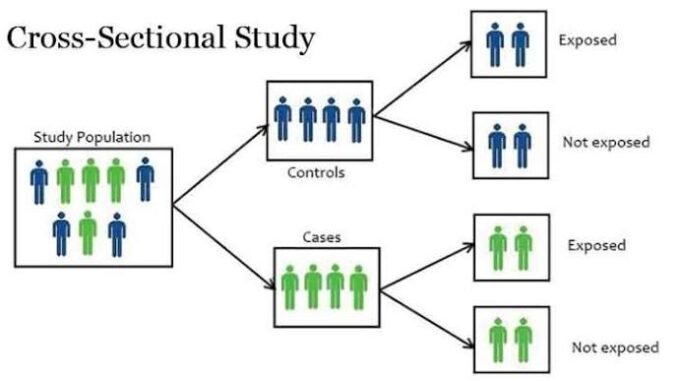
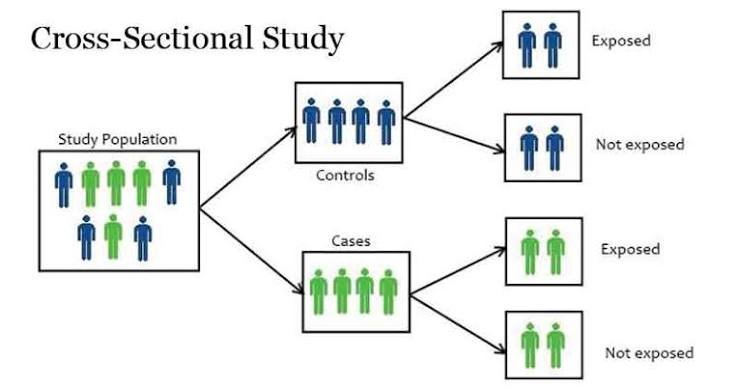
A cross sectional design is an observational research design in which data is collected from individuals, groups, or organizations at a single point in time. Rather than monitoring participants over an extended period, researchers measure all variables simultaneously to describe characteristics or investigate associations within the population being studied.
Unlike longitudinal research, which repeatedly observes the same participants over months or years, a cross sectional study captures information only once. This makes it faster, less expensive, and easier to conduct while still providing valuable information about current conditions.
For example, a public health researcher may survey 5,000 adults during one month to determine the prevalence of diabetes and examine whether age, physical activity, and dietary habits are associated with the condition. Because every participant is surveyed only once, the investigation represents a cross sectional design.
Similarly, a marketing company may distribute questionnaires to consumers during a product launch to understand purchasing preferences. The information collected reflects customer opinions at that specific moment rather than changes over time.
This single-time-point approach distinguishes cross sectional design from longitudinal, cohort, and experimental studies.
Simple Example of Cross Sectional Design
Imagine a university wants to understand the relationship between sleep habits and academic performance among undergraduate students.
Researchers distribute questionnaires to 2,000 students during the same academic semester. The survey collects information about:
- Average hours of sleep.
- Grade point average.
- Study habits.
- Exercise frequency.
- Screen time.
- Stress levels.
After collecting the data, researchers analyze whether students who sleep longer generally achieve higher academic performance.
Because every participant provides information only once and no intervention occurs, this investigation is a classic example of cross sectional design.
The study identifies associations between variables but cannot determine whether sleep directly causes improved academic performance because all measurements occur simultaneously.
Key Characteristics of Cross Sectional Design
Although cross sectional studies vary depending on their objectives, several defining characteristics distinguish this research design from other methodologies.
Data Is Collected at One Point in Time
The defining feature of cross sectional design is that all information is collected during a single period.
Researchers do not revisit participants for follow-up observations, making the study relatively quick compared with longitudinal investigations.
This approach allows researchers to efficiently measure multiple variables without waiting months or years for additional data.
Observational Rather Than Experimental
Cross sectional design belongs to observational research rather than experimental research.
Researchers observe existing conditions without introducing treatments or manipulating independent variables.
For example, investigators may examine the relationship between smoking and respiratory disease without assigning participants to smoke or avoid smoking.
Because interventions are absent, cross sectional studies differ fundamentally from randomized experiments.
Simultaneous Measurement of Variables
In a cross sectional study, both independent and dependent variables are measured during the same data collection period.
Researchers might measure:
- Income and job satisfaction.
- Exercise habits and body mass index.
- Educational attainment and employment status.
- Dietary intake and blood pressure.
Collecting all measurements simultaneously provides a snapshot of current conditions within the population.
Suitable for Large Populations
Cross sectional design is particularly effective when researchers need information from large populations.
National health surveys, government censuses, consumer behavior studies, and educational assessments often involve thousands or even millions of participants.
Because participants are observed only once, large-scale studies become more practical and affordable.
Focus on Relationships Rather Than Causation
One of the primary purposes of cross sectional design is to identify statistical relationships between variables.
Researchers may discover:
- Positive associations.
- Negative associations.
- Differences between demographic groups.
- Population characteristics.
- Risk factors.
However, because variables are measured simultaneously, determining which variable occurred first is usually impossible.
Consequently, cross sectional studies identify associations rather than establishing causal relationships.
High External Validity
Cross sectional design often demonstrates strong external validity because participants are drawn from real-world populations.
When representative sampling methods are used, findings can often be generalized to broader populations.
This characteristic explains why governments frequently rely on cross sectional surveys for national statistics.
Types of Cross Sectional Design
Although many people think of cross sectional design as a single methodology, several variations exist depending on the research objectives.
Understanding these different types helps researchers select the most appropriate design for their study.
Descriptive Cross Sectional Design
A descriptive cross sectional design focuses on describing characteristics within a population.
The primary objective is not to investigate relationships but to estimate frequencies, proportions, or prevalence.
Researchers commonly measure:
- Disease prevalence.
- Educational attainment.
- Employment rates.
- Consumer preferences.
- Demographic characteristics.
For example, a national survey measuring internet usage among adults represents descriptive cross sectional research because it describes current behavior without examining causal relationships.
Analytical Cross Sectional Design
An analytical cross sectional design goes beyond simple description by examining relationships between variables.
Researchers investigate whether two or more variables appear statistically associated.
Examples include examining relationships between:
- Physical activity and obesity.
- Income and healthcare access.
- Education level and employment.
- Diet and hypertension.
Although these studies identify associations, researchers must avoid concluding that one variable directly causes another.
Comparative Cross Sectional Design
Comparative cross sectional design compares different groups during the same period.
Researchers may compare:
- Men and women.
- Urban and rural communities.
- Different age groups.
- Public and private schools.
- Various geographic regions.
Because all groups are observed simultaneously, differences can be identified efficiently without long-term follow-up.
Population-Based Cross Sectional Design
Large epidemiological and public health investigations frequently use population-based cross sectional design.
Researchers select representative samples from entire populations to estimate disease prevalence, health behaviors, or social characteristics.
Examples include national nutrition surveys, vaccination coverage studies, and demographic health surveys.
Population-based designs often produce findings that inform public policy and healthcare planning.
When Should Researchers Use Cross Sectional Design?
Cross sectional design is appropriate whenever researchers need current information about a population without following participants over time.
It is especially valuable when:
- The research question focuses on prevalence.
- Limited time is available.
- Funding is constrained.
- Multiple variables need to be measured simultaneously.
- Researchers want to generate hypotheses for future investigations.
- Ethical concerns prevent experimental manipulation.
- Long-term follow-up is impractical.
For instance, a healthcare organization assessing patient satisfaction across several hospitals can use cross sectional design to gather responses during a defined period. Similarly, businesses conducting market research often rely on cross sectional surveys to understand customer preferences before launching new products.
Because the design emphasizes efficiency and broad population coverage, it is one of the most practical approaches for descriptive and analytical research across numerous disciplines.
Cross Sectional Design vs. Other Research Designs
Selecting the appropriate research design requires understanding how cross sectional design differs from other commonly used research methods. Although each approach serves a unique purpose, choosing the wrong design can affect data quality, statistical analysis, and the validity of the study.
Cross Sectional Design vs. Longitudinal Design
One of the most common comparisons is between cross sectional design and longitudinal research.
A cross sectional study collects data from participants once, providing a snapshot of a population at a specific point in time. In contrast, a longitudinal study follows the same participants over months or years to observe changes and trends.
For example, researchers investigating obesity rates may conduct a cross sectional study to determine the current prevalence of obesity across different age groups. Alternatively, they may conduct a longitudinal study by following the same individuals for ten years to examine how weight changes over time.
Cross sectional design offers several advantages over longitudinal research:
- Shorter study duration.
- Lower research costs.
- Faster data collection.
- Reduced participant attrition.
- Easier project management.
However, longitudinal studies provide stronger evidence about changes over time and are better suited for investigating temporal relationships.
Cross Sectional Design vs. Experimental Research
Experimental research differs significantly from cross sectional design because researchers actively manipulate one or more independent variables.
In experimental research, participants are often randomly assigned to treatment and control groups. This level of control allows researchers to establish cause-and-effect relationships with greater confidence.
Cross sectional design, by comparison, is an observational approach. Researchers simply observe existing characteristics without introducing interventions.
For instance, researchers studying the relationship between exercise and heart disease may survey adults about their current activity levels and medical history using a cross sectional design. An experimental study, however, would assign participants to different exercise programs and measure outcomes after the intervention.
Although experimental research provides stronger evidence for causation, cross sectional design is often more practical, ethical, and cost-effective.
Cross Sectional Design vs. Case-Control Studies
Case-control studies begin with participants who already have a particular outcome and compare them with individuals who do not.
Researchers then look backward to identify possible risk factors.
Cross sectional design works differently because exposure and outcome variables are measured simultaneously.
For example:
Cross sectional study:
Researchers survey adults about smoking habits and current lung health during one health assessment.
Case-control study:
Researchers first identify patients with lung cancer and then investigate their past smoking history.
Both designs belong to observational research, but each answers different research questions.
Cross Sectional Design vs. Cohort Studies
Cohort studies follow groups sharing common characteristics over time.
Researchers may observe smokers and non-smokers for many years to determine disease incidence.
Cross sectional studies measure both exposure and outcome during the same period without follow-up.
Because cohort studies establish temporal order, they generally provide stronger evidence regarding potential causal relationships. However, they also require substantially greater financial resources and longer study periods.
Advantages of Cross Sectional Design
Cross sectional design has remained one of the most popular research methods because it offers numerous practical and scientific advantages.
Quick Data Collection
One of the greatest strengths of cross sectional design is efficiency.
Since researchers collect information only once, projects can often be completed within weeks instead of years.
This makes the design especially useful when timely evidence is needed for policy decisions or organizational planning.
Cost-Effective Research
Because there are no repeated observations, follow-up interviews, or long-term participant tracking, cross sectional studies are generally less expensive than longitudinal investigations.
Organizations with limited research budgets frequently choose this design because it produces valuable findings without extensive financial investment.
Suitable for Large Samples
Cross sectional design works exceptionally well with large populations.
Researchers may survey thousands or even millions of participants within relatively short periods.
Large sample sizes improve statistical precision and often increase the generalizability of findings.
National census programs, demographic surveys, and health surveillance systems commonly rely on cross sectional methodology.
Ability to Study Multiple Variables
Researchers can examine numerous variables during a single investigation.
Examples include:
- Income.
- Education.
- Occupation.
- Lifestyle behaviors.
- Health status.
- Geographic location.
- Consumer preferences.
Collecting multiple variables simultaneously allows researchers to explore numerous statistical relationships within one study.
Useful for Public Health Surveillance
Health organizations worldwide depend on cross sectional surveys to monitor disease prevalence and identify emerging public health challenges.
Researchers can estimate:
- Diabetes prevalence.
- Hypertension rates.
- Smoking behavior.
- Vaccination coverage.
- Mental health conditions.
- Nutritional status.
These findings support healthcare planning and policy development.
Generates Valuable Insights
Although cross sectional design cannot establish causation, it provides valuable insights into patterns that deserve further investigation.
Many experimental and longitudinal studies begin with findings generated from cross sectional research.
Limitations of Cross Sectional Design
Despite its strengths, cross sectional design also has important limitations that researchers must recognize.
Cannot Establish Cause and Effect
The biggest limitation is the inability to determine causality.
Because exposure and outcome variables are measured simultaneously, researchers cannot determine which occurred first.
Suppose a study finds a correlation between stress and poor sleep.
Did stress cause poor sleep?
Or did inadequate sleep increase stress?
Cross sectional data alone cannot answer this question.
Temporal Relationships Cannot Be Determined
Understanding the sequence of events is essential when investigating causal relationships.
Cross sectional studies provide only a snapshot, making it impossible to determine whether one variable preceded another.
This limitation distinguishes cross sectional research from cohort and longitudinal studies.
Potential Sampling Bias
If participants are not representative of the target population, findings may become biased.
Researchers should therefore use probability sampling whenever possible.
Careful participant selection improves external validity.
Recall Bias
Many cross sectional studies rely on questionnaires asking participants about previous behaviors or experiences.
Individuals may forget information or report inaccurate responses, reducing data quality.
Researchers minimize recall bias by designing clear questionnaires and using objective records whenever available.
Survivorship Bias
Some populations naturally exclude individuals who are no longer available for participation.
For example, studies investigating chronic diseases may underestimate disease severity because participants with severe illness may no longer be represented.
Recognizing this limitation improves interpretation of findings.
Common Data Collection Methods
The quality of every cross sectional study depends heavily on effective data collection.
Researchers select methods based on study objectives, participant characteristics, available resources, and the type of data required.
Questionnaires
Questionnaires remain the most common data collection method.
They allow researchers to gather standardized information from large populations efficiently.
Questionnaires may include:
- Multiple-choice questions.
- Likert scale responses.
- Demographic information.
- Behavioral measures.
- Health assessments.
Online surveys have further increased the popularity of cross sectional design.
Interviews
Researchers sometimes conduct structured or semi-structured interviews to collect more detailed information.
Interviews are especially useful when participants require clarification or when more complex responses are needed.
Although interviews require additional resources, they often improve data completeness.
Observation
Observational methods allow researchers to record behaviors directly rather than relying on self-reported information.
Examples include:
- Classroom observations.
- Workplace assessments.
- Hospital procedures.
- Retail customer behavior.
Observation reduces some forms of reporting bias while providing objective measurements.
Administrative Records
Government databases, electronic health records, educational records, and company databases frequently serve as valuable data sources.
Administrative records improve accuracy because information has already been documented before the study begins.
Researchers often combine administrative records with surveys to obtain more comprehensive datasets.
Statistical Analysis in Cross Sectional Design
Once data collection is complete, researchers apply appropriate statistical methods to answer the research question.
The choice of analysis depends on the type of variables being measured and the objectives of the study.
Descriptive Statistics
Descriptive statistics summarize the characteristics of the sample.
Researchers commonly calculate:
- Means.
- Medians.
- Percentages.
- Frequencies.
- Standard deviations.
These summaries provide an overview of the population before conducting more advanced analyses.
Correlation Analysis
Researchers frequently examine relationships between continuous variables using correlation analysis.
A correlation coefficient indicates both the direction and strength of an association.
Positive values indicate that variables increase together, while negative values suggest that one variable decreases as the other increases.
However, correlation does not imply causation.
Regression Analysis
Regression models help researchers estimate how one or more independent variables predict an outcome while controlling for additional factors.
Multiple regression is particularly valuable when several variables may influence the same outcome.
Regression analysis allows researchers to produce more accurate estimates than simple comparisons alone.
Chi-Square Tests
Chi-square tests examine relationships between categorical variables.
For example, researchers may investigate whether smoking status differs across education levels or whether vaccination rates vary by geographic region.
These statistical tests are commonly used in public health and social science research because many survey variables are categorical.
Interpreting Statistical Significance
Researchers should evaluate both statistical significance and practical significance.
A statistically significant finding indicates that the observed relationship is unlikely to have occurred by chance alone.
However, researchers should also consider effect size, confidence intervals, and the broader context before drawing meaningful conclusions.
Careful interpretation ensures that statistical findings translate into accurate and responsible research conclusions rather than overstated claims.
Real-World Applications of Cross Sectional Design
One of the reasons cross sectional design remains popular is its flexibility across numerous disciplines. Researchers use it to answer practical questions, evaluate current conditions, and generate evidence that informs decision-making without the time and expense required for longitudinal research.
Healthcare and Public Health
Healthcare professionals frequently use cross sectional studies to estimate disease prevalence, evaluate health behaviors, and identify risk factors within populations.
For example, a national health agency may conduct a survey to determine the percentage of adults living with hypertension, diabetes, or obesity. Researchers can also examine relationships between lifestyle factors such as smoking, physical activity, and dietary habits and various health outcomes.
Although these studies cannot determine whether one factor causes another, they provide valuable information that helps governments allocate healthcare resources and develop preventive programs.
Education Research
Educational institutions often use cross sectional design to evaluate student characteristics, learning outcomes, and academic performance.
Researchers may investigate the relationship between study habits and examination scores or compare educational achievement across schools, regions, or demographic groups.
Because information is collected from students during the same academic period, educators can quickly identify trends that may require intervention.
Market Research
Businesses depend heavily on cross sectional design when studying consumer behavior.
A company launching a new product may survey customers about purchasing intentions, brand awareness, satisfaction levels, and spending habits.
The findings help organizations understand market demand, improve customer experiences, and refine marketing strategies without waiting for long-term data.
Social Science Research
Researchers in sociology, psychology, political science, and economics frequently conduct cross sectional studies to understand attitudes, behaviors, and demographic characteristics.
Examples include examining:
- Voting preferences.
- Social media usage.
- Income inequality.
- Employment patterns.
- Family structures.
- Community engagement.
These studies provide a snapshot of society that supports evidence-based policymaking.
Environmental Research
Environmental scientists use cross sectional design to evaluate pollution exposure, climate adaptation, conservation awareness, and ecological conditions.
Researchers may compare communities located near industrial zones with those in rural areas to investigate associations between environmental exposure and health outcomes.
These findings often guide environmental policies and sustainability initiatives.
How to Conduct a High-Quality Cross Sectional Study
Although cross sectional design is relatively straightforward, producing reliable results requires careful planning and systematic execution.
Step 1: Define the Research Question
Every successful study begins with a clearly defined research question.
The question should specify:
- The target population.
- Variables of interest.
- Study objectives.
- Expected outcomes.
A focused research question ensures that every stage of the project remains aligned with the study’s purpose.
Step 2: Conduct a Literature Review
A comprehensive literature review helps researchers understand existing evidence, identify knowledge gaps, and refine their methodology.
Reviewing previous cross sectional studies also reveals common challenges, suitable measurement instruments, and recommended statistical methods.
A strong literature review prevents duplication while improving the overall quality of the research.
Step 3: Select the Target Population
Researchers must define exactly who will participate in the study.
The population may include:
- University students.
- Healthcare workers.
- Patients.
- Consumers.
- Teachers.
- Employees.
- Community residents.
Clearly defining the target population improves sampling accuracy and external validity.
Step 4: Choose an Appropriate Sampling Method
Selecting participants is one of the most important stages of any research design.
Common sampling methods include:
- Simple random sampling.
- Stratified sampling.
- Cluster sampling.
- Systematic sampling.
- Convenience sampling.
Probability sampling methods generally produce findings that are more representative of the broader population.
Step 5: Design Data Collection Instruments
Researchers should develop reliable questionnaires, interview schedules, observation checklists, or electronic surveys.
Questions should be:
- Clear.
- Objective.
- Relevant.
- Easy to understand.
- Free from leading language.
Whenever possible, researchers should use validated instruments that have demonstrated reliability in previous studies.
Step 6: Collect Data
Once participants have been selected, researchers collect all required data during a single study period.
Data collection may involve:
- Online surveys.
- Face-to-face interviews.
- Telephone questionnaires.
- Medical examinations.
- Institutional records.
- Direct observation.
Maintaining consistent procedures improves data quality and reduces measurement bias.
Step 7: Analyze the Data
After data collection, researchers perform statistical analysis using appropriate statistical methods.
Depending on the research objectives, analysis may include:
- Descriptive statistics.
- Correlation analysis.
- Regression models.
- Chi-square tests.
- T-tests.
- Analysis of variance.
The choice of statistical tool depends on the variables being examined and the research question.
Step 8: Interpret and Report the Findings
Researchers should interpret results carefully while acknowledging the strengths and limitations of the study.
When discussing findings, they should:
- Explain important statistical relationships.
- Compare results with previous studies.
- Discuss practical implications.
- Identify study limitations.
- Suggest future research directions.
Responsible reporting improves scientific credibility and supports evidence-based decision-making.
Common Mistakes to Avoid
Even well-planned studies can be weakened by avoidable methodological errors.
Assuming Correlation Means Causation
One of the most common mistakes is concluding that one variable causes another simply because a relationship exists.
Cross sectional design identifies associations, not causal relationships.
Researchers should avoid overstating their conclusions.
Using Poor Sampling Methods
Convenience samples may fail to represent the target population.
Whenever resources allow, probability sampling should be used to improve generalizability.
Collecting Low-Quality Data
Poorly designed questionnaires, inconsistent measurements, and missing responses reduce data quality.
Researchers should pilot-test their instruments before beginning large-scale data collection.
Ignoring Confounding Variables
Many variables may influence the observed relationship between two factors.
Researchers should consider age, gender, socioeconomic status, education, and other potential confounding variables during statistical analysis.
Overlooking Ethical Considerations
Every study involving human participants should follow ethical research principles.
Researchers should obtain informed consent, protect participant confidentiality, and comply with institutional ethical guidelines.
Best Practices for Cross Sectional Design
Experienced researchers follow several best practices that improve the quality and credibility of their work.
- Develop a clear and focused research question before collecting data.
- Conduct a thorough literature review to understand existing evidence.
- Use representative sampling methods whenever possible.
- Select reliable and validated measurement instruments.
- Maintain consistent data collection procedures.
- Apply appropriate statistical methods during analysis.
- Report both strengths and limitations honestly.
- Avoid making unsupported claims about causation.
- Interpret findings within the broader context of existing research.
- Recommend future longitudinal or experimental research where causal evidence is needed.
Following these practices increases the reliability, validity, and practical usefulness of cross sectional studies.
Frequently Asked Questions
Is cross sectional design qualitative or quantitative?
Cross sectional design is most commonly associated with quantitative research because it involves collecting numerical data from a population at one point in time. However, some researchers incorporate qualitative methods, such as interviews or open-ended survey questions, to provide additional context and deeper insight into participants’ experiences.
Can cross sectional design establish cause and effect?
No. Cross sectional design can identify statistical relationships between variables but cannot establish a causal relationship because exposure and outcome are measured simultaneously. Determining causation typically requires longitudinal or experimental research.
What is the biggest advantage of cross sectional design?
Its greatest advantage is efficiency. Researchers can collect data from large populations in a relatively short period while minimizing costs, making the design ideal for public health surveys, educational assessments, and market research.
What is the biggest limitation of cross sectional design?
The primary limitation is the inability to determine temporal order. Since all variables are measured at one point in time, researchers cannot determine whether one factor preceded another, making causal inference impossible.
When should researchers use cross sectional design?
Researchers should choose cross sectional design when they need to describe a population, estimate prevalence, compare groups, or investigate relationships between variables without conducting long-term follow-up. It is particularly useful when resources, time, or ethical considerations make longitudinal or experimental research impractical.
Conclusion
Cross sectional design remains one of the most valuable and widely used approaches in modern research because it provides an efficient way to collect and analyze data from a population at a single point in time. Whether the objective is to estimate disease prevalence, understand consumer behavior, evaluate educational outcomes, or examine social trends, this research design enables researchers to generate reliable evidence while minimizing time and financial costs.
Throughout this guide, we explored the definition of cross sectional design, its key characteristics, major types, advantages, limitations, and practical applications across healthcare, education, business, market research, social science, and environmental research. We also examined how it differs from longitudinal, cohort, and experimental research, discussed appropriate data collection techniques, and reviewed the statistical methods commonly used to analyze findings.
Although cross sectional studies cannot establish causation, they remain highly effective for identifying statistical relationships, describing populations, and generating hypotheses for future investigations. When researchers apply rigorous sampling methods, collect high-quality data, use appropriate statistical analysis, and acknowledge the limitations of the design, cross sectional research can produce meaningful conclusions that support evidence-based decision-making.
Ultimately, selecting the right research design depends on the research question, study objectives, available resources, and ethical considerations. For studies focused on understanding current conditions and relationships within a population, cross sectional design offers an excellent balance of efficiency, practicality, and scientific value, making it an essential methodology for researchers across a wide range of academic and professional disciplines.
Be the first to comment